Last week I attended my high school class reunion in my hometown, a suburb of Minneapolis. My only past reunion experience had been deeply disappointing, with too many people huddled in their familiar cliques. But the lead-up to this one was different.
A few years ago a classmate had reached out to a small group of us to collaborate on something to commemorate our time together, all those years ago. We had connected as teens through the school newspaper and yearbook and shared an advisor who helped launch many successful careers. I was editor of the newspaper during my senior year, and the experience influenced me in ways that have meaningfully animated both my personal and professional life.
For the past few years a group of us have reconnected as adults, and made a short film together, weaving together interviews and photo montages, set to the popular music of our era. The film set the perfect tune for the reunion.
When I arrived I found those classmates first, and we experienced the evening together. This time the cliques that vexed me through high school were mostly gone. One of my friends, who had identified as a “nerd” in high school, had a spirited conversation with the homecoming king of our class, a “jock.” I talked to people I didn’t know well back then – and reconnected with old friends with whom I had long ago lost touch. We swapped stories about favorite teachers, extracurricular activities, innocent pranks, neighborhood haunts, and school hallways that felt foreboding. A few secrets were revealed (mostly who had crushes on whom). There were some serious conversations as well: I learned for the first time about a cluster of cancer diagnoses related to a Creosote factory in town that I recall emitted a foul odor. Sadly, we also remembered the classmates who we lost too soon.
Reconnecting with my high school class last week made me think about the connections educators build every day. We talk a lot about the central importance of the external environment – and how to make school a space of belonging for young people to become their best selves. I realized that evening that there is also an inner landscape of school – from kindergarten to senior year – that each student carries with them well into adulthood.
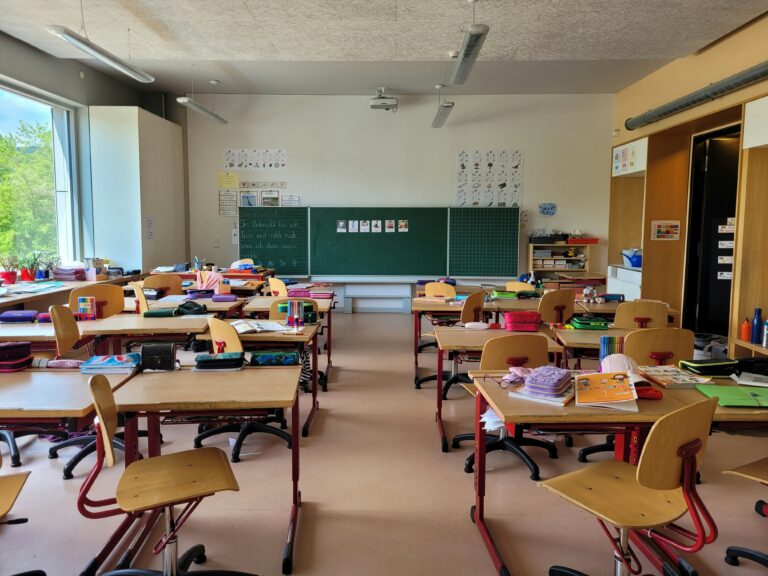
Toward the end of the evening, we were called together for a photo with our first-grade classmates. I recognized almost everyone, surprised to discover how familiar their faces still were. Seeing them brought back vivid memories of the classroom itself: the coatroom, the stuffed mouse our teacher used to hide around the room, the reading groups, the smell of the cafeteria, the staccato click of the principal’s high heels in the hallways, the playdates outside of school. I wondered about the people who were not there: Peter, who wore braces on his legs; Ken, whose bright red hair lit up the classroom. Where were they now? The memories came in flashes and fragments from the recesses of my mind. Together they began to weave an inner tapestry of all my years in school.
When I got back to Boston, I decided to retrieve some of the artifacts of those memories from the storage closet in the basement. I combed through photos, yearbooks, notes from my best friends, and report cards from almost every year, including kindergarten. This experience has been grounding for me, reminding me of where I come from and what shaped me as a human being.
It has also given me a renewed appreciation for the work that each of you do every day. You are helping to shape the inner landscape that young people will carry with them long after they graduate: memories of you, their peers and the experiences, big and small, that make up their time in school. You may never know which moments will stay with them, but I hope the possibility of that lasting impact serves as a source of energy and inspiration. As Henry Adams wrote, “A teacher affects eternity; he can never tell where his influence stops.”
In connection,
Jane